The problem with most home offices
Most home offices feel cold. Not in temperature — but in character. Overhead light. A desk. A chair. Four walls. A space that functions but doesn't feel like anywhere you'd choose to spend time if you could avoid it.
Cosiness in a workspace is not about candles and throws. It is about specific changes to how the room feels at a sensory level — light quality, acoustic texture, visual warmth — that make the same hours of work feel less effortful. These changes are all practical, all achievable in a rented UK property, and all available on Amazon UK.
Overhead ceiling light is the main enemy of cosiness. If you do nothing else in this guide, switch it off and use a combination of desk lamp and floor or shelf lamp instead. The shift in atmosphere is immediate and significant.
Lighting: the most impactful change
Lighting quality matters more than any other single factor. Here is how to approach it in layers:
Replace overhead light with task and ambient sources
Ceiling lights cast a flat, shadowless light that makes rooms feel clinical. A desk lamp positioned slightly to the side, combined with one or two ambient light sources at a lower level, creates warmth and dimension. You can still use the ceiling light on overcast winter afternoons — but it should not be the default.
Choose warm white colour temperature
The warmth of a light is measured in Kelvin. For a cosy atmosphere, look for bulbs between 2700K and 3000K. Above 4000K starts to feel clinical and cold. Many LED desk lamps have adjustable colour temperature — if yours does, keep it at 2700–3000K for most of your working day, and shift cooler only if you need maximum focus for a specific task.
Add bias lighting behind the monitor
A LED strip behind the monitor — set to warm white — reduces eye strain by reducing the contrast between the bright screen and the dark room behind it. It also adds a low-level ambient glow that contributes significantly to the warm atmosphere of the setup, especially in the evenings.
Add one ambient light source away from the desk
A small floor lamp, shelf lamp, or plug-in pendant in a corner of the room changes the perceived size and warmth of the room dramatically. It does not need to be expensive — a simple, shaded lamp on a shelf at head height achieves the effect. This is the single addition most often credited with transforming how a room feels.
Texture and material: acoustic warmth
Cold rooms feel cold partly because of acoustics. Hard surfaces — painted walls, MDF furniture, hard flooring — reflect sound and create a slightly echoey, clinical feel. Soft surfaces absorb it, and that physical quality translates directly to how warm a room feels to be in.
Add a rug if the floor is hard
A mid-sized rug under or near the desk area changes the acoustic character of a room significantly. It also adds a visual anchor and warmth to the space at the lowest visual level. Neutral, textured rugs in natural fibres — wool, jute, or cotton — work especially well with minimal desk setups.
Add one or two plants
Plants bring organic texture and colour into what is otherwise a very hard-material environment. They also genuinely improve air quality. One larger plant at floor level and one small plant on the desk or a nearby shelf is a reliable combination that photographs well and feels lively without being distracting.
Books on a shelf above or beside the desk
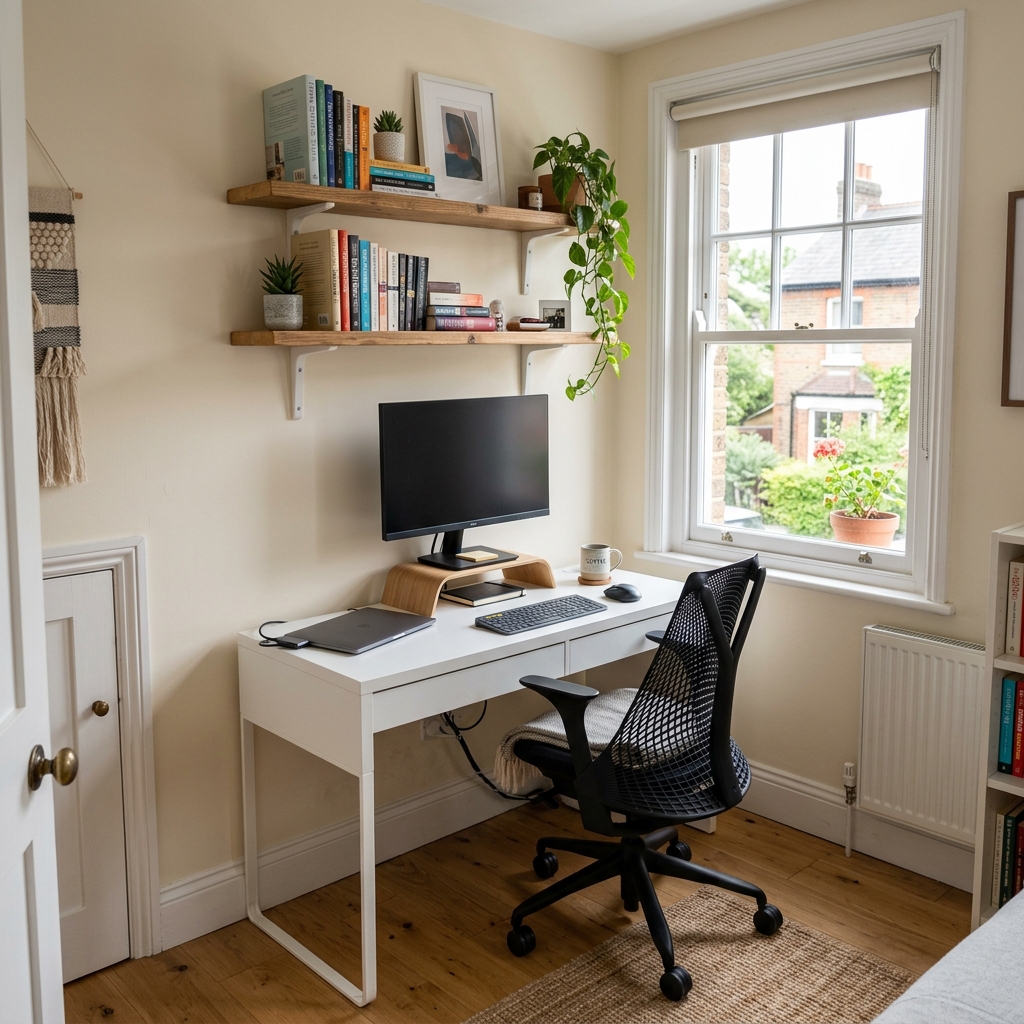
A shelf of books adds significant visual texture and warmth — especially if arranged loosely (not obsessively organised) with some items leaning, some horizontal. Books also absorb sound. The effect is a room that feels curated and inhabited rather than staged and empty.
Wooden or natural-material accessories
Replacing plastic or black-metal desk accessories with wooden, bamboo, or woven alternatives adds considerable warmth to the desk surface itself. A wooden monitor stand, a bamboo tray, a cork desk mat — each one shifts the material balance of the desk toward warmth.
Recommended products for a cosier office
All available on Amazon UK. See our full cosy home office lighting guide for the complete product breakdown with specific recommendations.
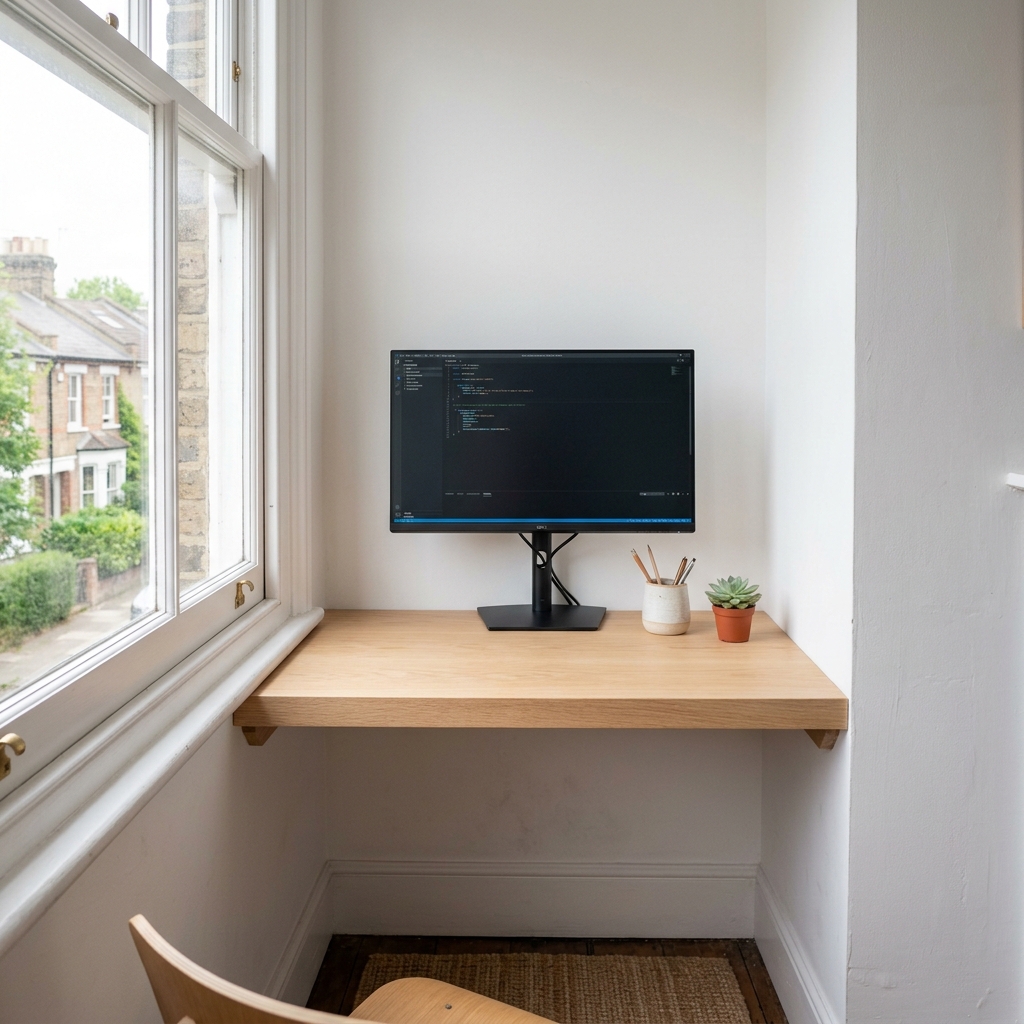 Priority 1
Adjustable Colour Temperature Desk Lamp
The desk lamp is the most used light in the room. An adjustable colour temperature lamp lets you shift between focused and cosy modes throughout the day.
 Priority 2
Warm White LED Bias Lighting Strip
Mounts behind the monitor. Warm white (2700K) adds ambient glow without washing out the screen. Highly recommended for anyone who works in the evenings.
 Atmosphere
Small Shelf Lamp or Plug-in Pendant
A second light source in the room, positioned away from the desk. Even at low brightness, it transforms the room from a single-source lit space to a layered, warm one.
FAQ
Turn off the overhead ceiling light and replace it with a desk lamp and one additional ambient lamp at a lower level. Use warm white bulbs (2700–3000K). Add one rug, one plant, and at least one natural-material desk accessory. These changes alone account for most of the difference between a space that feels clinical and one that feels warm.
The research on this is consistently in favour of comfortable, warm-feeling workspaces. Environments that feel pleasant to be in reduce cognitive load, reduce stress, and make it easier to spend sustained time working. The idea that a cold, sparse environment promotes productivity is not well supported. A workspace that you want to be in is more productive than one you tolerate.
For a warm atmosphere: 2700–3000K. For a more focused, cooler environment: 3500–4000K. Above 4000K starts to feel clinical and is best avoided in home offices. If you have adjustable colour temperature lighting, 3000K is a good all-day default that is warm enough to feel comfortable but clear enough to focus well.
Related guides
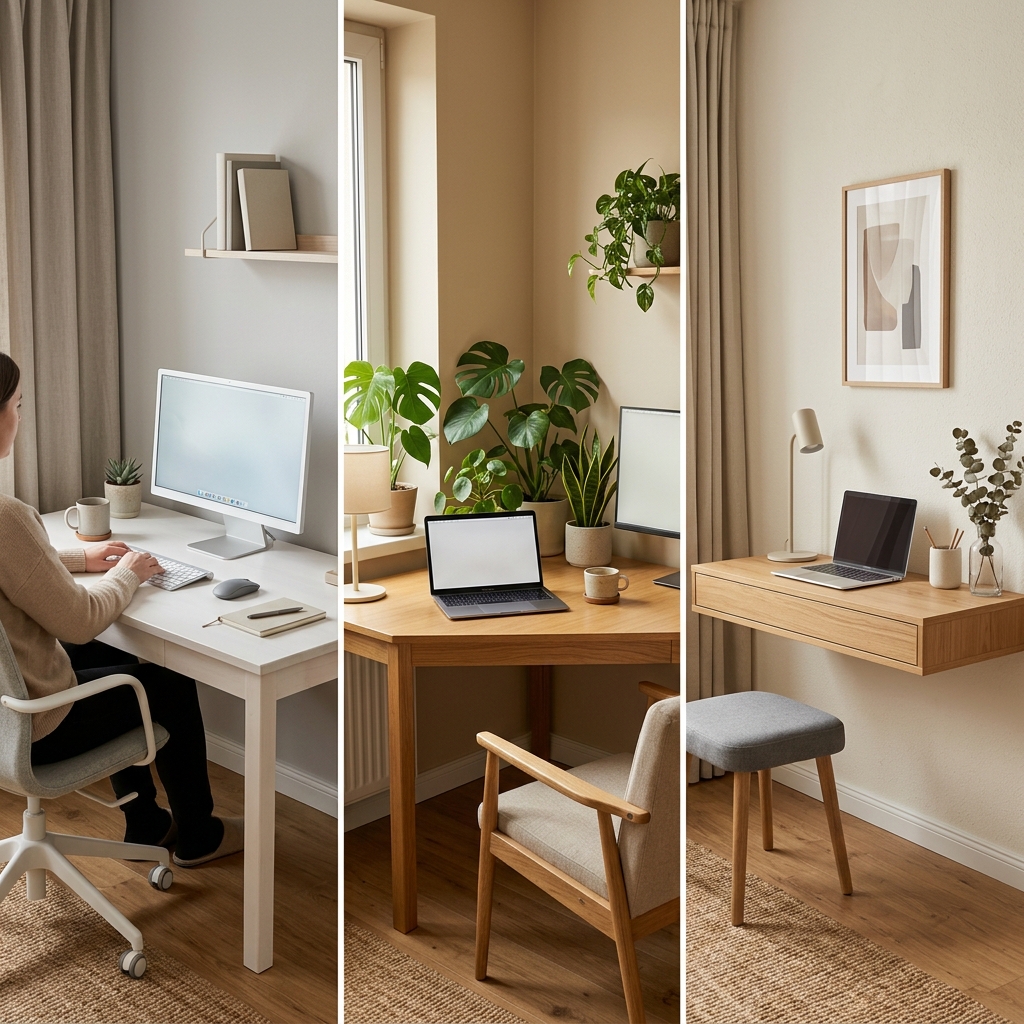
Cozy Home Office Lighting Ideas
The complete lighting guide — every product pick, with Amazon UK links and specific recommendations.
Read the full guide →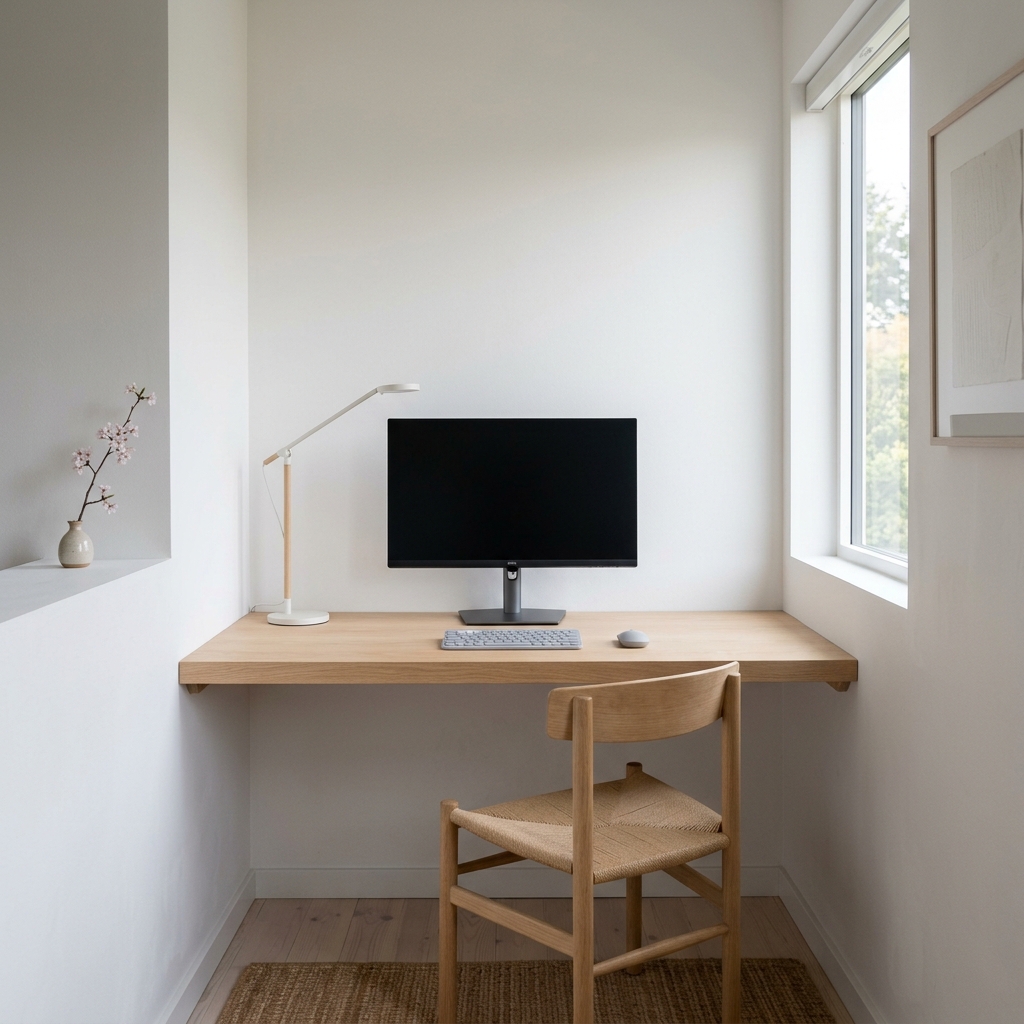
Best Desk Layout for Productivity
How you arrange the desk has a bigger impact on focus than many of the things you put on it.
Read guide →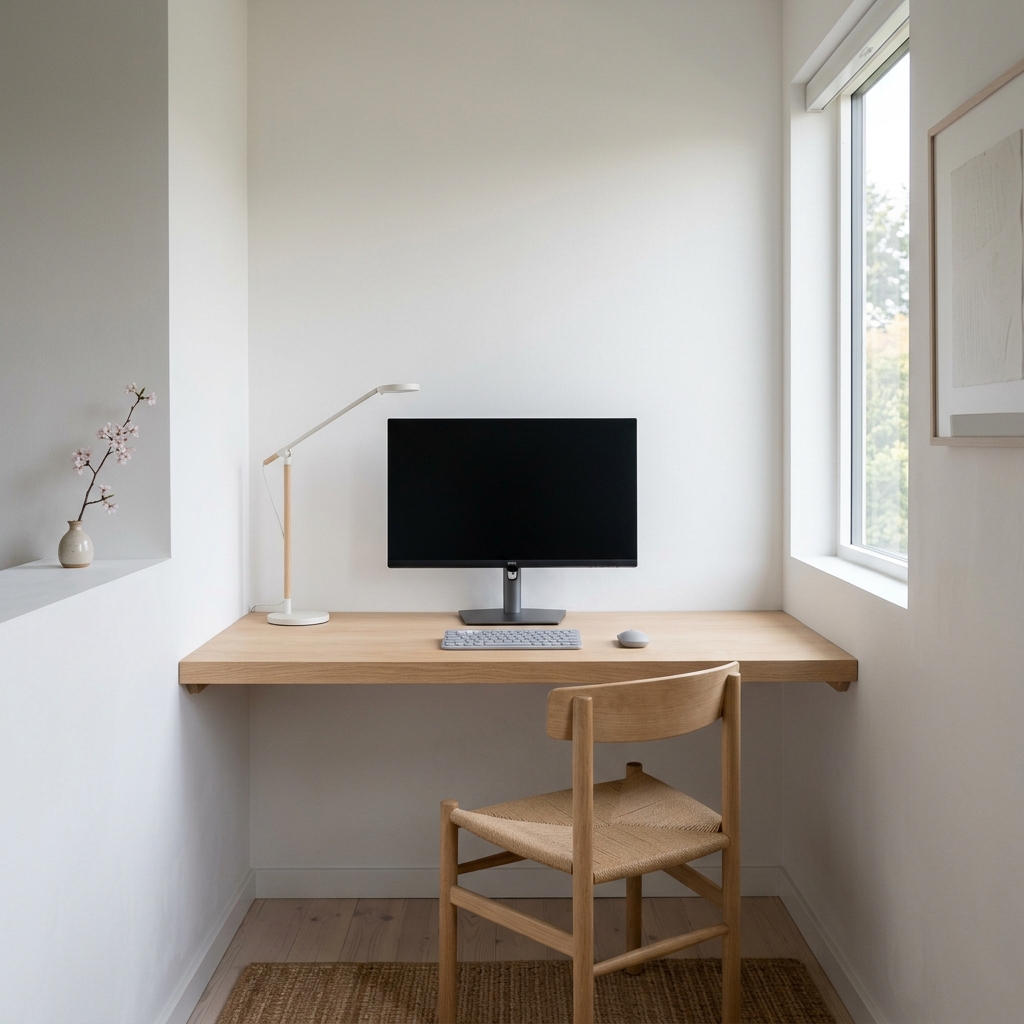
Lighting & Decor
The full collection of lighting and decor guides for home office setups.
Browse →